
The Midterm elections are now about eight months away, and results of a just-released February AARP survey revealed older New Yorkers may well vote for the candidates who have a better plan to lower their inflating household utility bills.
The AARP-sponsored survey took place in the first two weeks of February, 2026. It asked 1,008 residents of New York about their views on rising utility costs. Fees for energy have increased in some places around America. The hike in rates are often said to be due to two causes–aging utility infrastructure, and large increases in demand for electricity for quickly growing artificial intelligence technology facilities.
AI may be the best thing since sliced bread, but it seems to be having a negative impact on the household budget of many Americans, as they struggle to keep up with payments. It has become a political issue in New York State. AARP’s survey found three prevailing political views regarding New York’s political leadership and residents attitudes:
- 93% believe elected officials should work to ensure utilities are affordable
- 72% of those who pay a utility bill say state officials are not doing enough
- 65% of voters 50+ would be more likely to support a candidate who commits to lowering utility rates.
Tomorrow’s weather is an open question, even to forecasters. But a hot summer may also cause the utility-bill issue to persist as energy for air conditioning becomes higher. In fall, with the colder weather of winter encroaching, heating demands will rise, and utility bills may again be on American minds.
It is a trajectory that seems to have no clear or easy solution right now, except perhaps at the November polls.
“These survey findings make clear that New Yorkers are struggling with energy bills and they’re counting on state leaders to deliver meaningful solutions,” said Beth Finkel, State Director of AARP New York, in a statement announcing the survey Thursday, March 6.
New York State Assembly member Jeffrey Dinowitz acknowledged the problem
“Skyrocketing utility costs are making for an untenable situation.,” he said. “While utility companies continually get approved for rate increases, New Yorkers struggle more and more to pay ever increasing energy bills, making the affordability crisis even worse. Seniors, who quite often are on a fixed income, and are amongst the hardest hit, rightly worry about this increasing cost, with many unable to pay their utility bills.”
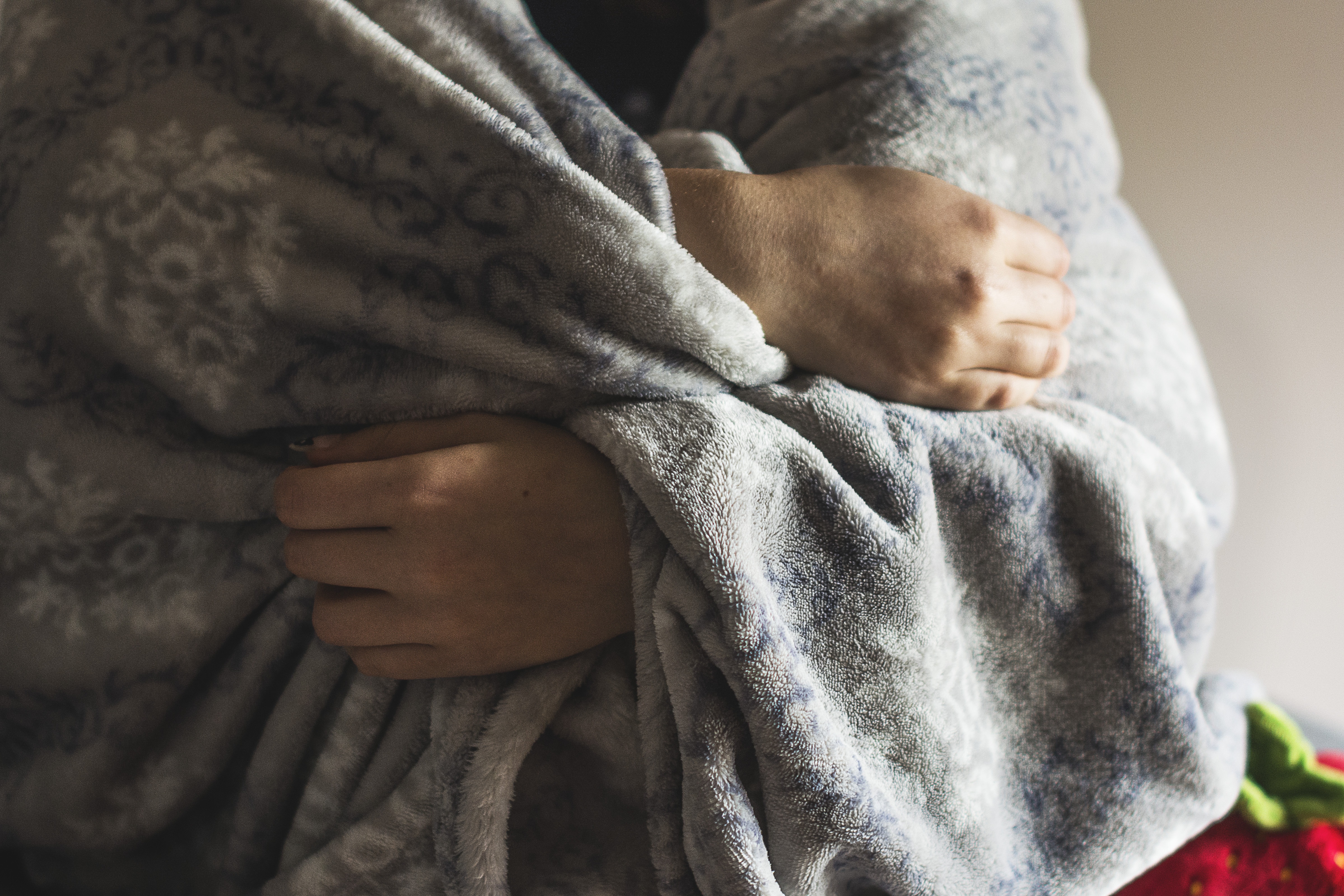
The survey found that about half of the seniors questioned are already taking austerity steps to deal with the increased cost of energy. These included 56 percent of respondents who are setting their thermostats to an uncomfortably-low temperature, as well as 49 percent who are decreasing household spending on basic expenses such as groceries, personal care and transportation.
AARP New York proposes a half-dozen actions to help deal with the electricity issue:
- Establish an independent utility advocate office to represent residential customers in energy rate cases, as well as create dedicated funding for residential consumer advocates to challenge rate increase requests to level the playing field with big energy companies.
- Assign an independent auditor to review a utility company’s operations and finances if regulators find that rates have become unaffordable
- Increase state resources to enhance enrollment and access to New York’s Energy Affordability Program to more than a million New Yorkers who are eligible but not enrolled as well as expand the HEAP program.
- Return ratepayer money if a utility earns more than the amount approved by the Public Service Commission (PSC), through bill credits
- Strengthen utility termination protections, especially for tenants whose landlords fail to pay the building’s energy bills and power is shut off, as well as those with medical conditions who need power for medical devices.
- Temporarily pause state taxes on utility bills to provide immediate relief particularly when supply and delivery costs are escalating, as well as return unused ratepayer money being held by the state.
This ongoing challenge of high energy costs may come into sharper focus as election day approaches. Even right now though, it is an everyday issue that older New Yorkers, and millions of other Americans can’t help but think about.
“No one should have to go into debt or forgo food or medicine just to keep the lights and heat on. Unfortunately, these are the heartbreaking choices many New Yorkers are forced to make every day,” said Laurie Wheelock, Executive Director of the Public Utility Law Project (PULP).
Energy concerns may well play an important part in citizens’ choices at the ballot box in deciding who should run their government., and hopefully lower their bills. Eighty eight percent of the survey respondents indicated they are concerned about their energy costs continuing to rise. Some New Yorkers even present the idea that their state’s climate legislation is to blame.
It’s a problem that is well positioned to be a campaign issue in 2026. If the energy challenges are met by candidates, 2027 may not be as costly to household budgets as this year is proving to be, and Americans can once again be warm and toasty in the winter, and as cool and refreshed in the summer. They can fold and set aside the layers of clothing indoors and the blankets and quilts.
—Throw a newsman and his pal a bone$!



Leave a Reply